What If Your Parents’ Favorite Songs Could Keep Them Healthier?
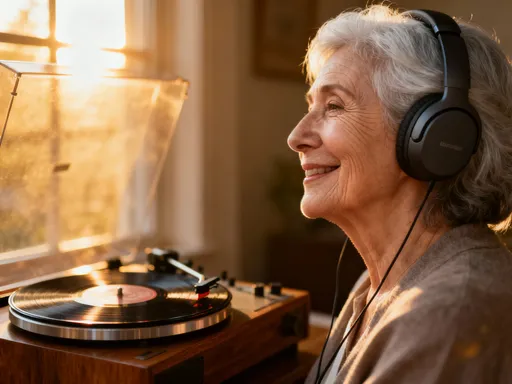
Imagine your mom humming along to an old tune, her face lighting up with joy—moments like these do more than warm your heart. Science shows familiar music can ease anxiety, spark memory, and even support daily routines for older adults. Yet most of us still treat music streaming as just background noise. What if we used it more intentionally? With simple tweaks, a playlist could become a powerful companion in elder care—one that brings comfort, connection, and calm, every single day.
The Quiet Crisis in Everyday Elder Care
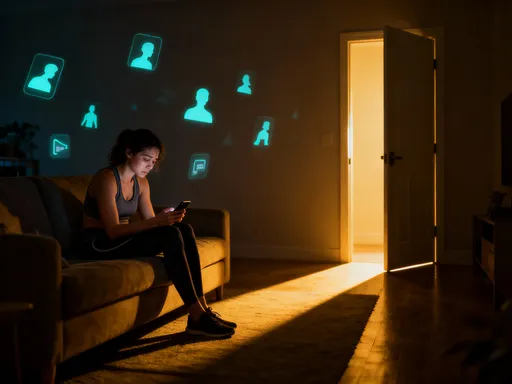
Let’s talk about something so common, we often don’t even name it: the slow fade of energy, motivation, and joy in our aging parents. You’ve seen it—your dad sitting quietly in his chair, not quite sad, but not quite present either. Your mom forgetting what she came into the kitchen for, again. Or maybe it’s the way they’ve stopped humming while they cook, stopped asking about your week, stopped reaching for the photo albums. It’s not always a diagnosis. Sometimes, it’s just the quiet erosion of emotional and mental well-being that comes with aging, isolation, and routine.
We do so much right. We make sure their medications are sorted. We install grab bars in the bathroom. We check in on their blood pressure. But how often do we check in on their heart? On their sense of purpose? On the little things that used to make them light up—like a certain song from their youth, or a melody tied to a long-ago summer? Emotional wellness isn’t a luxury. It’s a necessity. And loneliness, untreated, can be as damaging as high cholesterol or poor sleep. Studies have shown that chronic loneliness increases the risk of heart disease, weakens the immune system, and can even accelerate cognitive decline. We’re not just fighting memory loss—we’re fighting disconnection.
And here’s the thing: we’re all so busy. We want to help, but we’re stretched thin. We don’t have time to sit and talk for hours. We can’t be there every morning to cheer them up. So what if we had a tool—one that’s already in our pockets, free, and easy to use—that could gently support their mood, their memory, and their sense of being seen? That tool is music. Not just any music, but the music that shaped their lives. The songs they fell in love to. The tunes they danced to at weddings. The melodies they sang to their own children. This isn’t about entertainment. It’s about emotional maintenance. And it’s something we can all start today, without needing a medical degree or a tech background.
Why Music Moves More Than Just Emotion
Here’s something beautiful: music doesn’t just live in our ears. It lives in our brains, our hearts, our bodies. When your mom hears "Unchained Melody," it’s not just a song—it’s a time machine. That melody travels through her auditory system and lights up the hippocampus, the part of the brain tied to long-term memory. It nudges the amygdala, which manages emotion. It even influences the autonomic nervous system, which controls heart rate, breathing, and stress levels. In other words, a familiar song isn’t just nostalgic—it’s biologically powerful.
Think about your father, who hasn’t moved much since his surgery. Then one day, you play "Fly Me to the Moon," and something shifts. He starts tapping his foot. Then his hand. Then, slowly, he stands and takes a few steps—swaying like he’s back at the country club in 1963. That’s not a miracle. That’s rhythm. Music has an innate ability to engage motor functions, even when verbal cues don’t work. Rhythmic beats can help regulate movement, making walking easier and more natural. For people with mobility challenges, this can mean the difference between sitting all day and moving with purpose.
And it’s not just movement. Music can calm anxiety. A study from the Journal of the American Geriatrics Society found that older adults who listened to personalized music playlists showed significant reductions in agitation and needed fewer anti-anxiety medications. Another study showed that Alzheimer’s patients could recall vivid memories—names, places, emotions—after hearing songs from their teenage years, even when they couldn’t remember what they had for breakfast. The brain holds on to music differently. It’s stored in multiple regions, so even when memory fades in one area, the melody can still find a way through.
So when we say music helps, we’re not being poetic. We’re talking about real, measurable changes in mood, memory, and physical response. And the best part? It’s side-effect free. No prescriptions, no side effects, no doctor’s visit required. Just songs that mean something. That’s not just comforting. That’s care.
Streaming Isn’t Just for Playlists—It’s a Care Tool
We all use music apps. We’ve got Spotify on our phones, Apple Music on our tablets, YouTube Music on the TV. But most of us use them the same way: for background noise while we cook, or to discover new hits. What if we started using them differently—not just for us, but for our parents? What if we treated these platforms not as entertainment tools, but as wellness tools?
Think about it. Spotify has mood-based playlists—"Calm Morning," "Focus Flow," "Sleep Deep." Apple Music can suggest songs based on listening history. YouTube Music lets you play music videos, which can be especially engaging for older adults who remember the visuals of classic performances. These aren’t just features. They’re opportunities. And when used with intention, they can support daily rhythms in a way that’s gentle and consistent.
Imagine this: your mom tends to get anxious around 4 p.m. It’s the “sundowning” hour, when light fades and confusion creeps in. Instead of waiting for her to become restless, you set up a playlist called "Golden Hour Glow"—soft jazz, familiar crooners, songs from the 1950s. You schedule it to start automatically at 3:45. The music begins gently, filling the room before the anxiety does. She hears "Moon River," smiles, and starts humming. The tension in her shoulders eases. No pills. No intervention. Just music, arriving like a friend.
Or picture this: your dad struggles to get going in the morning. He stays in bed too long, missing breakfast, skipping his meds. So you create a "Rise and Shine" playlist—upbeat, familiar, full of energy. Songs like "Good Day Sunshine" or "Walking on Sunshine." You link it to a smart speaker and set it to play at 8 a.m. every day. At first, he grumbles. But within a week, he’s tapping his fingers. Then sitting up. Then calling out, "Who picked this? I like it!" That’s not just a playlist. That’s a daily care ritual. And it costs nothing but a few minutes of your time.
Building a Personalized Soundtrack for Well-Being
Now, here’s the secret: it’s not about the most popular songs. It’s about the most personal ones. A playlist that works isn’t built from today’s hits—it’s built from yesterday’s memories. The goal isn’t to impress; it’s to resonate. So how do you build a playlist that truly connects?
Start with stories. Sit down with your parent—or a sibling, or an old family friend—and ask simple questions. "What songs did you dance to at your wedding?" "What was playing on the radio when you got your first car?" "Did you sing anything to your kids when they were little?" You’ll be amazed at what comes up. Maybe it’s Patsy Cline’s "Crazy." Maybe it’s The Beatles’ "Hey Jude." Maybe it’s a hymn from church, or a tune from a summer camp in 1958. Each song is a thread in the fabric of their life.
Next, organize by purpose. Not every song works for every moment. A high-energy rock song might be perfect for morning motivation but too stimulating at bedtime. So create different playlists for different times of day. "Morning Magic" could include upbeat classics to help wake up the body and mind. "Afternoon Ease" might feature softer melodies to prevent afternoon restlessness. "Evening Wind-Down" could be gentle piano or lullabies to support better sleep.
And don’t be afraid to update. Needs change. Moods shift. A song that brought joy last month might not land the same way today. Check in. Ask, "Did you like the music today?" "Any songs you’d like to hear more?" Let the playlist grow and evolve. This isn’t a one-time project. It’s an ongoing act of love. And the more personal it is, the more powerful it becomes. Because when your mom hears "You Are My Sunshine," she’s not just hearing a song. She’s hearing a memory. She’s hearing a version of herself that still exists, still matters.
Making It Effortless: Simple Tech Setups That Work
I know what you’re thinking: "This sounds great, but my mom doesn’t even know how to turn on Bluetooth." Don’t worry. You don’t need to be a tech expert. You don’t even need your parent to touch a phone or tablet. The key is simplicity—set it up once, and let it run on its own.
Start with a smart speaker. Devices like Amazon Echo, Google Nest, or Apple HomePod are perfect for this. They’re voice-activated, so no buttons to press. You can say, "Alexa, play Mom’s Morning Playlist," and it starts. Even better: set up routines. In the Alexa app, you can create a "Good Morning Mom" routine that plays her playlist at 8 a.m., turns on a soft light, and even reads the weather. All of it happens automatically. No effort required.
Another option: a dedicated tablet or phone. Put it in a stand on the kitchen counter. Open the music app, start the playlist, and set it to autoplay. Lock the screen so she can’t accidentally close it. Add a big, clear label: "Press play for music." Or go even simpler: use a Bluetooth speaker with a single button. Pre-load a playlist, pair it, and teach her to press one button to start. Many of these devices have voice prompts, so she’ll hear, "Playing Morning Favorites," and know it’s working.
And if you live far away? You can still be part of it. Many apps let you share playlists. You can update the "Sunday Songs" list from your home and know it’s playing at hers. You can even start the music remotely—"Hey Google, play Relaxing Classics at Mom’s house." It’s not magic. It’s connection, powered by tech. And the best part? Once it’s set up, it runs quietly in the background, like a gentle guardian for her well-being.
Strengthening Bonds Through Shared Sound
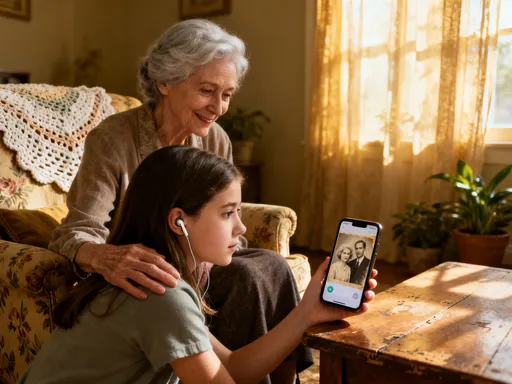
Here’s something I didn’t expect: when I started building playlists for my mom, we started talking more. Not just about the songs, but about her life. About her parents. About her first job. About the summer she spent in Vermont. Music became a bridge—one that carried stories, laughter, and sometimes even tears. But always, it carried connection.
You can do this too. Try a "Sunday Song Story" ritual. Once a week, listen together—either in person or over video call. Play one song and ask, "What does this bring up for you?" You might hear about a first date, a road trip, a loss, a triumph. One woman told me her father, who rarely spoke since his stroke, sang every word of "My Way" and then said, "That was me, you know. I lived that." Moments like that don’t just warm the heart. They heal.
And it’s not just for them. It helps us, too. Caregiving can be exhausting. It’s easy to feel like all you’re doing is managing tasks—meds, meals, appointments. But when you share music, you’re not just a caregiver. You’re a listener. A co-creator. A family member reconnecting. You’re reminded of who they are, not just what they need.
Try saying, "I found an old recording of Nat King Cole. Want to listen?" Or "I added that song you used to sing to me—remember?" These small moments build up. They create rituals. They say, "I see you. I remember you. You still matter." And that’s something no pill can give, no machine can replicate.
A Smarter, Softer Way to Care—Every Day
At the end of the day, caring for an aging parent isn’t just about safety and health checks. It’s about dignity. It’s about joy. It’s about helping them feel like themselves, even as time changes their body and mind. And sometimes, the most powerful tools aren’t the expensive ones. They’re the simple, human ones—like a song that brings back a memory, or a melody that makes them smile.
Music streaming, when used with love and intention, becomes more than technology. It becomes care. It becomes presence. It becomes a way to say, "I’m here, even when I’m not." You don’t need a degree. You don’t need fancy equipment. You just need a little time, a little attention, and a willingness to listen—not just to the music, but to the stories behind it.
So tonight, ask yourself: what songs shaped my parent’s life? What melodies still live in their heart? And how can I bring those sounds into their days, gently and consistently? Start small. One song. One playlist. One moment of connection. Because in the quiet moments, when the music plays and their eyes light up, you’ll know—you’ve given them something priceless. Not just entertainment. Not just distraction. But recognition. Comfort. Love. And that, my friend, is the smartest, softest, most beautiful way to care.