I can’t find anyone to game with" – How gaming apps quietly fixed my weekends
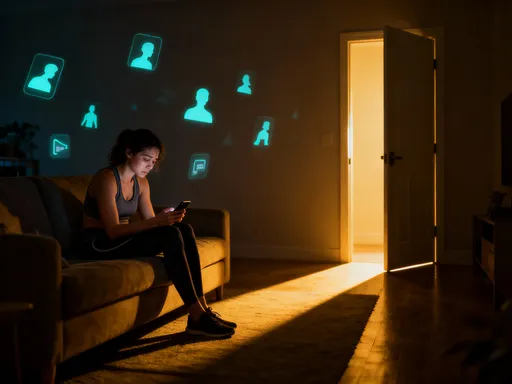
We’ve all been there: scrolling through apps late Saturday night, hoping a friend will join a quick match, only to hear silence. What if the fix wasn’t about waiting—but about smart tools that help us connect, play, and laugh together, without the hassle? Gaming apps aren’t just for kids or hardcore players anymore. They’ve become quiet helpers in building moments with people we care about—right from our living rooms. It’s not about flashy graphics or climbing leaderboards. It’s about finally hearing your sister’s laugh over voice chat, or seeing your dad proudly announce he beat the final level. These little digital spaces are becoming something more: places where connection happens, gently and naturally, one round at a time.
“It’s just a game, right?” – Why we underestimate play in adult life
Remember how easy it was to play when we were younger? A jump rope, a board game, a made-up backyard adventure—none of it needed a reason. But as adults, especially as women juggling family, work, and everything in between, play often falls off the list. We might even feel a little guilty for wanting it. “Shouldn’t I be folding laundry instead?” we think, as we close the app after a five-minute puzzle game. But here’s the truth: play isn’t frivolous. It’s a quiet act of emotional maintenance. When we laugh during a silly quiz or cheer each other on in a casual race, we’re not wasting time—we’re recharging our relationships.
Society tells us that productivity equals value. So when we sit down to relax, we often reach for something that still feels useful—maybe a podcast about personal growth or a documentary. But joy? Pure, unproductive fun? That can feel like a luxury we don’t deserve. And yet, studies show that shared laughter and light-hearted activities reduce stress and strengthen emotional bonds. The problem isn’t that we don’t want to connect. It’s that we’ve forgotten how to do it without a formal plan or a long car ride. That’s where gaming apps come in—not as an escape from real life, but as a bridge back to it. They offer a low-pressure way to be together, even when we’re miles apart.
I used to think multiplayer games were only for teenagers shouting into headsets. But then I tried a simple word game with my cousin during a quiet evening. No pressure, no complicated rules—just us tapping letters and giggling at each other’s terrible guesses. That 20-minute round felt more meaningful than three group texts that week. It wasn’t about winning. It was about feeling close again. When we stop seeing games as childish distractions and start seeing them as modern playdates, everything shifts. Suddenly, that app on your phone isn’t just entertainment. It’s an invitation to be present—with your people, in a way that feels light, warm, and surprisingly healing.
“Who’s up for a game?” – The struggle of coordinating friends and family
How many times have you started a group message with, “Hey, what are you all doing this weekend?” Only to watch it fade into silence, or worse—get a flurry of “I can’t make it” replies? We’ve all been there. You want to gather, to catch up, to just *be* together. But between kids’ schedules, work deadlines, and time zones, it feels like herding cats. And let’s be honest—planning a full dinner or a video call can feel like another chore. There’s pressure to perform, to have something interesting to say, to look put-together on camera. No wonder we often give up before we even start.
I remember trying to organize a virtual game night with my college friends last year. We picked a date, set a reminder, and even chose a theme. But by Friday, two people had last-minute work calls, one was dealing with a sick child, and another just forgot. We ended up with three of us, half an hour late, and honestly—kind of stressed. It wasn’t fun. It felt like another thing we failed at. That’s when I realized: the problem wasn’t that we didn’t care. It was that we were using the wrong tools for connection. We were treating bonding like a formal event, when what we really needed was something flexible, simple, and forgiving.
That’s where gaming apps changed the game—literally. Instead of waiting for the perfect moment to “have a night,” I started sending quick, low-stakes invites: “Just played a round of trivia—your turn!” or “I’m stuck on level 7, help!” These tiny nudges don’t require a big commitment. They fit into the cracks of our days—while waiting for dinner to cook, during a kid’s nap, or right before bed. No need to sync calendars or dress up. Just a few minutes, a shared laugh, and the quiet comfort of knowing someone’s thinking of you. The beauty is in the simplicity. It’s not about replacing deep conversations. It’s about keeping the thread alive, one playful tap at a time.
How gaming apps became my coordination sidekick
At first, I thought gaming apps were just for playing. But I’ve learned they’re also brilliant little organizers hiding in plain sight. Take cross-platform invites, for example. I can start a round on my tablet and invite my sister on her phone, my mom on her iPad, and my nephew on his gaming console—all without anyone downloading a new app or setting up an account. That kind of flexibility used to be impossible. Now, it’s just how things work. And it removes so much of the friction that used to kill plans before they began.
Then there are the smart reminders. Some apps now send gentle nudges: “Your sister is waiting for you to finish the puzzle!” or “It’s your turn in the word battle!” These aren’t pushy notifications—they’re friendly pings that feel more like a tap on the shoulder than a demand. I’ve caught myself smiling at my phone when I see one, because it means someone’s been thinking of me. And for busy people, that little nudge can be the difference between reconnecting and letting the moment pass.
Some apps even have built-in calendars or shared activity feeds. I use one with my book club, and instead of arguing over dates, we just check the app to see who’s been active. If I see two members have played a few rounds this week, I’ll send a quick, “Looks like game night energy is high—should we team up?” It feels natural, not forced. These tools don’t replace conversation. They make it easier. They turn the question from “Who has time?” to “Who’s in the mood?” And that small shift makes all the difference. It’s not about perfection. It’s about presence—showing up in whatever small way we can, and knowing the door is always open.
“Mom actually joined!” – When games bring generations together
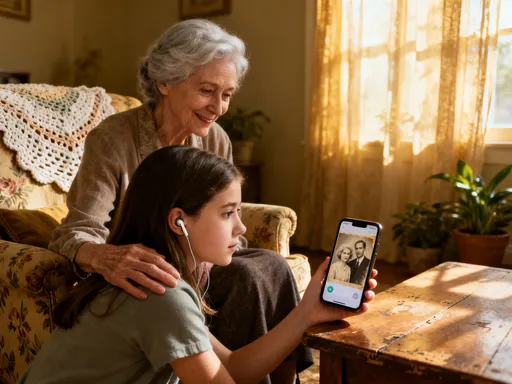
One of the most surprising joys has been seeing my mom play. She’s in her late 60s, not exactly what you’d picture as a gamer. But when I invited her to a simple trivia game with big buttons and clear instructions, she gave it a try. And then—she kept playing. Now, every Sunday evening, she logs in, puts on her reading glasses, and joins our family round. She might not know all the pop culture questions, but she crushes history and classic movies. And when she wins? The whole family celebrates. You can hear the pride in her voice.
What I’ve learned is that modern gaming apps are designed with real people in mind—not just tech-savvy teens. Voice chat is simple. Text prompts are clear. Many games even offer adjustable difficulty, so Grandma isn’t frustrated, and the 12-year-old still finds it fun. It’s not about competition. It’s about participation. My nephew now looks forward to “Auntie’s Puzzle Time” every Friday. He doesn’t care that I’m not fast—he just likes that we’re playing together.
There’s something special about seeing generations connect through play. My cousin’s daughter, who’s shy in person, lights up during a drawing game where we guess each other’s sketches. She’s more expressive in that digital space than she is at family dinners. And my dad, who’s not great with video calls, feels more comfortable chatting while playing a relaxed card game. The game gives us something to focus on, so the pressure to “make conversation” disappears. We end up talking more anyway—about the game, about life, about nothing at all. It’s effortless. And in those moments, I realize how much we’ve missed just being together, in a way that feels easy and joyful.
Making memories, not just high scores
When I think back on last year, some of my favorite moments weren’t big events. They were small: my niece screaming with laughter when her character fell off a digital cliff. My best friend sending me a screenshot of her victory dance after finally beating level 10. My mom saying, “I never thought I’d be doing this at my age,” with a smile in her voice. These aren’t milestones you’d post on social media. But they’re the glue of a meaningful life—the quiet, warm threads that hold us together.
Gaming apps help create those moments by making connection accessible. You don’t need a vacation or a holiday to feel close. You just need a few minutes and a shared screen. And because these experiences are interactive, they feel more alive than scrolling through photos or watching a video together. There’s anticipation, surprise, and real-time reaction. When your sister makes a wild guess in a charades game and somehow gets it right, the laugh is instant and real. When your cousin helps you solve a tricky puzzle, the gratitude is immediate. These micro-moments of teamwork and joy add up in ways we don’t always notice—until we realize how much lighter we feel.
And here’s the thing: these games don’t have to be played often to matter. Even one round a week can become a ritual. It becomes something to look forward to, a tiny anchor in a busy week. I have a friend who plays a quick bingo game with her daughter every Sunday morning while they eat breakfast. It’s not fancy. But it’s theirs. And over time, those breakfast games have become a cherished part of their routine. That’s the power of play—it turns ordinary time into something special, just by being shared.
How to start small—no gaming skills required
If the idea of gaming still feels intimidating, I get it. You don’t need to know what a “controller” is or how to build a character from scratch. Start with apps that are designed for beginners. Look for ones with bright visuals, simple rules, and built-in tutorials. Games like daily puzzles, word scrambles, or turn-based trivia are perfect. They’re easy to learn, quick to play, and don’t require fast reflexes. The goal isn’t to become a pro—it’s to connect.
When you’re ready, send a low-pressure invite. Don’t say, “Let’s have a game night!” Instead, try, “I just tried this fun quiz—want to take a round?” or “I’m stuck on this level—any takers?” Make it casual. Make it optional. And don’t worry if no one responds right away. Sometimes people need a few nudges, or they’ll join when they’re ready. The app keeps the game waiting, no hard feelings.
Use the tools the app gives you. Many have voice or text chat built in, so you can talk while you play. Some even let you record a quick audio message if typing feels like too much. And if you make a mistake? Laugh it off. “Wow, I just guessed ‘banana’ for everything—clearly not my day!” Humor breaks the ice and makes the experience feel safe. The more relaxed you are, the more others will feel comfortable joining. Remember, you’re not hosting an event. You’re opening a door. And sometimes, all it takes is one person stepping through to start something beautiful.
The quiet joy of showing up—for a game, and for each other
In the end, gaming apps haven’t changed my life in dramatic ways. There’s no sudden transformation or grand revelation. But they’ve added something quiet and steady—a sense of closeness that I didn’t know I was missing. They’ve taught me that showing up doesn’t have to mean a long visit or a perfectly planned evening. Sometimes, it’s as simple as tapping “accept” on a game invite. That small act says, “I’m here. I’m thinking of you. Let’s spend a moment together.”
These apps don’t replace real life. They make real life easier to live. They help us stay connected in a world that often pulls us apart. They give us a way to laugh, to play, to be silly—even when we’re tired, even when we’re busy, even when we’re far apart. And in those shared digital spaces, we’re not just players. We’re family. We’re friends. We’re people who choose to make time, in whatever small way we can.
So if you’ve ever felt lonely on a weekend night, if you’ve ever stared at your phone and wished someone would reach out—try sending the first invite. Pick a simple game. Tag someone you care about. Keep it light. Keep it kind. You might not start a gaming revolution. But you might start a conversation. You might hear a laugh you haven’t heard in weeks. And you might realize that connection isn’t always loud or grand. Sometimes, it’s quiet, simple, and already in your hands—just one tap away.