From Forgotten Stories to Living Legacies: How Tech Keeps Family Memories Alive
We’ve all been there—sitting across from a parent or grandparent, hearing a fleeting story about their childhood, only to realize years later that the details are gone. What if those moments didn’t slip away? What if we could preserve not just photos, but voices, emotions, and the warmth behind the words? This isn’t about complicated gadgets or tech expertise. It’s about turning everyday moments into lasting connections—effortlessly. Think of it like this: your family’s laughter, wisdom, and little quirks are already treasures. Technology simply gives them a safe, warm home where they can be rediscovered again and again, not just by you, but by the generations who come after.
The Stories We Almost Lost
There’s a quiet kind of loss that happens in families—not sudden, not dramatic, but deep and slow. It’s the story your mom once mentioned during a drive, about how she and her sisters used to sneak cookies from the kitchen while their mother napped. It’s the way your dad laughed when he told you, offhand, about getting lost in a big city as a teenager and how a stranger helped him find his way. These aren’t headlines or history book entries. They’re small, human moments. And yet, they’re the very things that make your family feel like *yours*.
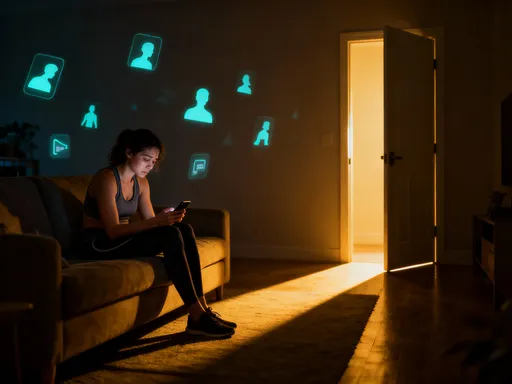
The truth is, most of us don’t realize how fragile these memories are until it’s too late. We assume we’ll remember. Or we think, “I’ll ask about that later.” But later doesn’t always come. People age. Conversations drift. And before we know it, the voice that told the story is gone, and with it, the details we didn’t write down. I remember my aunt once shared a story about her first job at a small grocery store during the 1960s—how she wore a crisp uniform and learned to count change without a register. I didn’t record it. I didn’t even take notes. Now, when I try to recall it, the image is hazy. The tone of her voice, the pride in her eyes—those are gone.
This kind of forgetting isn’t a failure of love. It’s a failure of method. We care deeply, but we’re busy. We live fast. And we’ve never had the right tools to capture the soft, unscripted parts of our lives. But what if we did? What if preserving a memory didn’t require a camcorder, a script, or hours of editing? What if it could be as simple as pressing a button during a phone call or a family dinner?
Why Traditional Methods Fall Short
For decades, families have tried to hold onto their stories the old-fashioned way—photo albums, handwritten journals, shoeboxes full of letters. And while these have their charm, they come with real limitations. Think about your own home. How many photo albums are tucked away on a shelf, rarely opened? How many handwritten notes have you found, written in a relative’s shaky hand, but with no context—just names and dates, no voices, no laughter?
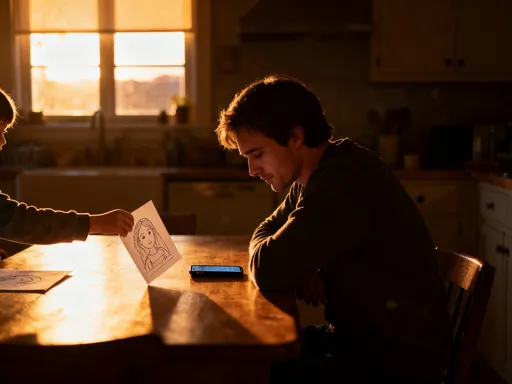
Take journals, for example. We’ve all had good intentions. Maybe you bought a beautiful notebook and thought, “I’ll write down Grandma’s life story.” But then life happened. The notebook stayed blank. Or worse, you started, but the process felt heavy—like an assignment, not a connection. Asking an elderly parent to “tell me everything about your childhood” can feel overwhelming for both of you. It’s not that they don’t want to share. It’s that the format doesn’t match the moment.
And then there’s the physical fragility of it all. I once inherited a box of my grandmother’s letters from the 1950s. Some were water-stained. Others had faded ink. A few were torn. One had a coffee ring right over a sentence I desperately wanted to read. These weren’t just pieces of paper—they were windows into a life. But paper yellows. Ink fades. And digital photos aren’t immune either. How many of us have lost precious images because a phone was dropped, a computer crashed, or a cloud account wasn’t backed up?
The problem isn’t that we don’t care. The problem is that our tools haven’t kept up with how we actually live. We need something that fits into the rhythm of daily life—something that doesn’t add to our to-do lists, but quietly supports the moments we already cherish.
Making Memory-Keeping Effortless
Here’s the good news: technology has finally caught up with our hearts. Today, there are simple, intuitive tools that make preserving family stories easier than ever—no tech skills required. Imagine this: you’re on a Sunday video call with your mom. She starts telling a story about her first car, a little blue convertible she bought in her twenties. Instead of just listening and hoping you’ll remember, you tap a button on your phone. The call is recorded—just the audio, clean and clear. Later, it’s automatically saved to a private family space, labeled with the date and her name.
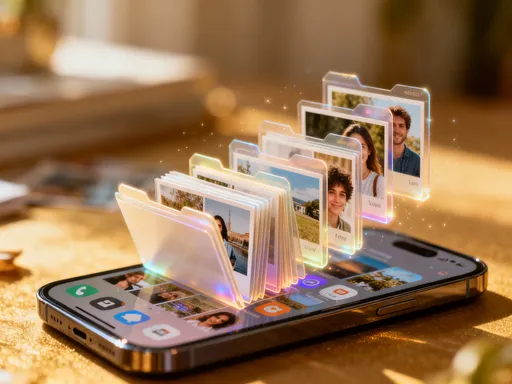
These aren’t futuristic dreams. They’re real apps, available now, many of them free or low-cost. Some can even transcribe the audio into text, so you can read the story later—even search for keywords like “first car” or “1965.” Others let you attach the recording to a photo. So when you open a picture of that blue convertible, you can press play and hear your mom’s voice describing how she drove it to the beach with the top down.
The magic is in how seamlessly this fits into real life. You don’t need special equipment. You don’t need to schedule an “interview.” It’s just part of the conversation. A car ride with your dad? Record it. A holiday dinner where your uncle tells that hilarious story about the family dog? Capture it. These tools work in the background, organizing your memories by person, theme, or year—like “Childhood,” “Work Life,” or “Family Trips.” Over time, you’re not just saving stories. You’re building a living archive.
And the best part? It’s designed for everyone. You don’t need to be tech-savvy. Most of these apps have simple, clean interfaces—big buttons, clear labels, no confusing menus. They’re built for the 75-year-old grandmother as much as the 35-year-old mom juggling work and kids. This isn’t about mastering technology. It’s about using it to protect what matters.
Turning Conversations into Keepsakes
You don’t need a microphone, a studio, or a list of formal questions. The most powerful stories often come from the simplest prompts. Try asking, “What was your first apartment like?” or “What did you love most about school?” or “How did you and Dad decide to move to this town?” These aren’t grand, sweeping questions. They’re doorways. And once you open one, the stories often flow.
Technology helps by removing the pressure to remember everything. In the past, you might have tried to scribble notes while someone talked—missing half of what they said because you were writing. Or you’d rely on memory, only to realize later that the details had blurred. Now, you can just press record. The app handles the rest—saving, organizing, even backing up to the cloud so it’s safe.
And it’s not just about preserving the past. Some platforms let family members add their own thoughts to a story. Imagine your sister listens to a recording of your mom talking about her wedding day. She can add a comment: “I didn’t know Aunt Linda almost didn’t make it because her train was delayed!” These become layers—like a family quilt, stitched together over time. It’s no longer just one person’s memory. It’s a shared experience.
The habit doesn’t have to be big. Start small. Once a week, record a five-minute chat with a parent. Or capture a story during a family gathering. Over time, these moments add up. You’re not building a museum. You’re growing a garden of memories—nurtured, tended, and passed down.
Bridging Generations Without the Awkwardness
Let’s be honest—talking about the past can sometimes feel awkward, especially with younger family members. A teenager might groan if you say, “Let’s do a family history project.” But the same teen might lean in, curious, when you play a 90-second audio clip labeled “Grandpa’s funniest work story.”
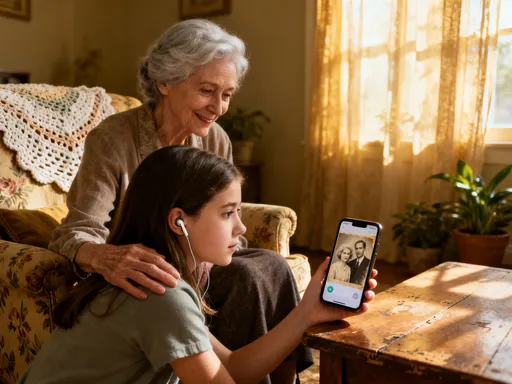
Technology makes it easy to share these moments in ways that feel natural, not forced. You can send a short clip to your niece with a message: “Your great-grandma telling the story of how she met Grandpa. So sweet.” Or play a recording at a family dinner—letting your kids hear their grandfather’s voice telling a joke he used to tell at the dinner table.
I’ll never forget the first time I played a recording of my late uncle for my daughter. He had a deep, warm voice and a way of telling stories that made you feel like you were right there. My daughter had never met him, but when she heard him laugh, she smiled and said, “He sounds like Dad.” In that moment, a connection was made—not through a textbook or a formal lesson, but through a simple, human voice.
These tools don’t replace face-to-face time. They enhance it. They give younger generations a way to know their elders—not just as “Mom” or “Grandma,” but as people who had dreams, challenges, and adventures long before they were born. And for older relatives, hearing their voice shared and appreciated can be deeply affirming. It says, “You matter. Your life matters.”
Protecting What Matters Most
We all know how fragile memories are. A phone gets dropped in water. A laptop crashes. A USB drive goes missing. And suddenly, years of photos, videos, and voice notes are gone. It’s heartbreaking. But today’s digital tools are designed with this in mind.
Most family memory apps offer automatic cloud backups. That means your recordings are stored securely, offsite, so even if your device is lost, the memories remain. Some let you set up trusted family members as custodians—people who can access and manage the archive if something happens to you. This isn’t about preparing for the worst. It’s about peace of mind.
Privacy is also built in. These aren’t public social media posts. No algorithms. No ads. Just a private, password-protected space for your family. You control who sees what. You decide which stories are shared widely and which stay between you and one other person.
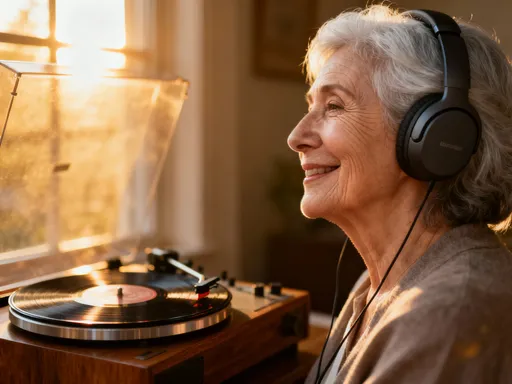
And because the data is stored digitally, it won’t fade. The ink won’t bleed. The tape won’t degrade. Future generations will hear the same laugh, the same cadence, the same warmth—exactly as it was recorded. This isn’t just preservation. It’s protection. It’s saying, “This story survived. It made it through.”
A Legacy That Grows Over Time
The true power of these tools isn’t just in saving the past. It’s in building something that lives and grows. As new stories are added—your daughter’s first day of school, your son’s wedding, your own reflections on parenting—the archive becomes a living timeline. You start to see patterns. A sense of humor that runs through three generations. A quiet resilience in the face of hardship. A love of music, cooking, or travel that keeps reappearing.
I once listened to a recording of my grandmother talking about how she taught herself to knit during the war years, using scraps of yarn. Years later, I realized my daughter had picked up knitting too—without ever knowing that story. When I played the recording for her, she was stunned. “I guess it’s in our blood,” she said. That moment wasn’t just about knitting. It was about identity. About belonging.
These collections become more than archives. They become compasses—guiding families through change, loss, and growth. They remind us where we came from. They help us understand who we are. And they give future generations a sense of rootedness in a world that often feels unmoored.
Preserving family stories isn’t about perfection. It’s not about having the best equipment or the most polished recordings. It’s about showing up. It’s about saying, “I want to remember you. I want our children to know you.” And with the help of simple, thoughtful technology, we can do that—not someday, not later, but today. One conversation. One voice. One moment at a time. Because the stories we almost lost don’t have to stay lost. They can become living legacies—warm, real, and full of love, for generations to come.