Organized 8,000 photos in 3 hours: The app feature I never knew I needed
Have you ever scrolled through thousands of photos, feeling overwhelmed and unable to find that one special moment? I was there too—until I discovered a hidden feature in my photo app that changed everything. It didn’t just sort my pictures—it gave me back time, clarity, and joy. This isn’t about tech for tech’s sake; it’s about reclaiming control over your memories and your daily life. In just three hours, I went from digital chaos to calm. And the best part? I didn’t need to be a tech expert. I just needed to know where to look. If you’ve ever felt buried under screenshots, blurry videos, or endless selfies, this is for you.
The Photo Chaos We All Know
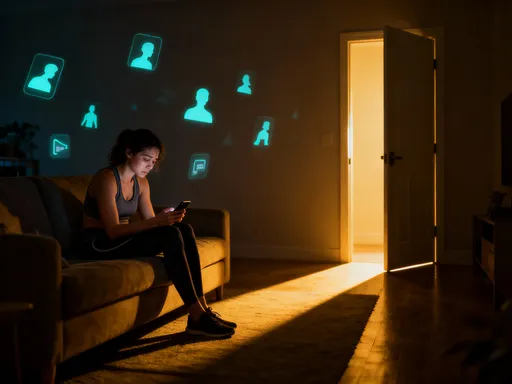
Let’s be honest—how many of us actually keep our phone photos organized? I used to think I was alone in this, scrolling past hundreds of nearly identical shots of my daughter’s birthday cake, wondering why I took twenty versions of the same smile. But then I started talking to other moms, friends, even my sister, and realized we’re all living in the same digital mess. My gallery wasn’t just cluttered—it was a time capsule of stress. Birthdays, school plays, weekend trips, grocery receipts, random screenshots of recipes I never made—all jumbled together like a drawer full of tangled scarves. Finding one memory meant wading through weeks of visual noise.
And it wasn’t just inconvenient. It started to feel emotional. I’d promise to send my mom a picture from our beach trip last summer, only to give up after ten minutes of swiping. I missed opportunities to print a favorite photo for a frame, or share a sweet moment with my husband after a long day. The clutter wasn’t just on my phone—it seeped into my mood. I felt disorganized, scattered, like I couldn’t even manage something as simple as my own memories. That’s when I realized: this wasn’t just about photos. It was about how much of my life I was letting slip through my fingers because I didn’t have a simple way to hold onto it.
Sound familiar? You’re not behind. You’re not bad with technology. You’re just human, living in a world that takes more photos than ever—over 1.4 trillion a year worldwide. We’re not built to manually sort that volume. But here’s the good news: we don’t have to. The tools are already in our pockets. We just need to know how to use them.
A Simple Discovery That Changed Everything
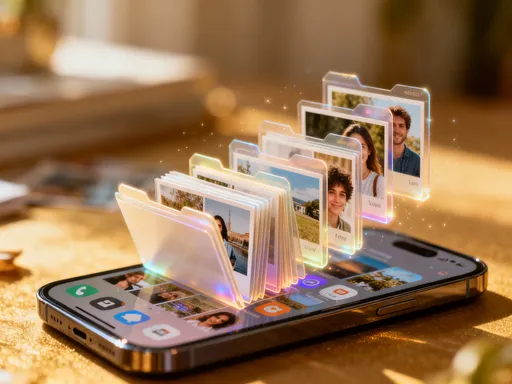
It happened on a Tuesday. Nothing special. I was trying to find a photo of my son in his Halloween costume last year—blue dinosaur, tail dragging on the porch, the whole adorable mess. I needed it for the school yearbook submission, and of course, it was nowhere to be found. I scrolled and scrolled, my thumb aching, frustration building. That’s when I accidentally swiped left on the search bar in my photo app and saw something I’d never noticed before: little icons labeled 'People,' 'Pets,' 'Locations,' and even 'Moods.'
I tapped 'People.' And there it was—my son’s face, neatly grouped in a circle at the top, with dozens of photos of him automatically collected in one place. I clicked on his name and—boom—every picture of him since 2018, sorted by date. There he was, grinning in that dinosaur costume, front and center. I found it in seconds. I stood there, phone in hand, nearly crying. Not because of the costume, but because for the first time in years, I didn’t feel helpless in front of my own memories.
That little moment was a turning point. I started exploring. I typed 'beach' in the search bar, and up came every vacation we’d taken near the ocean—automatically tagged, no effort needed. I searched 'sunset,' and there were golden skies from trips I’d forgotten I’d photographed. It wasn’t magic. It was smart design, quietly working in the background while I lived my life. And the best part? I didn’t have to learn anything new. No downloads, no complicated settings. It was already there, waiting for me to notice it.
How It Actually Works (Without the Tech Talk)
You might be thinking, 'Wait—how does my phone know what’s in my photos?' I asked the same thing. And the answer isn’t as complicated as it sounds. Think of it like a quiet assistant who’s been watching your life unfold—learning who matters most, where you go most often, and what kinds of moments make you smile. It doesn’t share anything. It doesn’t send your photos anywhere. It works right on your device, quietly recognizing patterns using something called artificial intelligence, or AI.
Here’s how it helps without being intrusive. When you take a photo of your child, the app learns what they look like—over time, it gets better at spotting them, even in a crowd or with messy hair. Same with your dog, your partner, your parents. It groups them automatically under 'People' and 'Pets' so you can find everyone in seconds. It also recognizes places—like your home, your favorite park, or that little café downtown—by using location data you’ve already allowed. So when you type 'home,' it pulls up every photo taken in your driveway or backyard.
But here’s my favorite part: it also notices themes. Type in 'birthday,' and it finds cakes, balloons, presents. Search 'snow,' and it pulls up every winter day, even if you never labeled them. It can even tell the difference between a screenshot and a real photo, helping you clean up clutter. And the duplicate finder? Absolute game-changer. It spots those five nearly identical shots of your dinner and quietly suggests keeping just one. All of this happens quietly, in the background, while you’re busy living. No work. No stress. Just smarter access to your life.
More Than Just Photos—Regaining Daily Control
Here’s what surprised me the most: cleaning up my photos didn’t just make my gallery nicer. It changed how I felt every day. I started sleeping better. I felt calmer in the mornings. I was more present during family dinners. It sounds dramatic, but it’s true. When one area of your life feels under control, it creates a ripple effect. I stopped feeling like I was always behind. I stopped apologizing for not sending photos. I even started printing more—little 4x6s for the fridge, a few for a photo book I’d been putting off for years.
That sense of control spilled into other parts of my routine. I began organizing my digital files—bills, school forms, medical records—using the same mindset. I unsubscribed from newsletters I never read. I cleaned out my email inbox. It was like one small win gave me permission to tackle other things. And the mental space it freed up? Priceless. I wasn’t spending energy trying to remember where I saved something or feeling guilty about lost moments. I could focus on what mattered—my kids, my peace, my time.
There’s real psychology behind this. Clutter—digital or physical—increases cortisol, the stress hormone. When we reduce it, our brains feel safer, more focused. Organizing photos might seem small, but it’s a form of self-respect. It says, 'These moments matter. I matter.' And when you treat your memories with care, you start treating yourself with more care too. It’s not about being perfect. It’s about creating space for peace.
Real-Life Moments I’d Have Missed
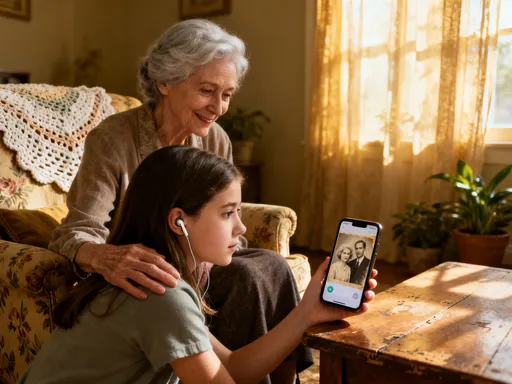
One evening, after everything was sorted, I sat down with my daughter to scroll through her 'People' album. We laughed at her goofy faces, her school pictures, her first swim in the ocean. Then we found it—a quiet moment from last winter. She was sitting by the window, wrapped in a blanket, watching snow fall. I didn’t even remember taking it. But there it was, soft light on her face, pure stillness. She looked at it and said, 'I remember that day. It was so quiet. I felt really happy.'
That photo wasn’t posed. It wasn’t shared on social media. It was just life. And it would have stayed buried under hundreds of screenshots and random snaps if I hadn’t taken those three hours to clean up. Since then, I’ve found so many more: my mom laughing at the dinner table, my dog chasing leaves in the yard, my husband reading to the kids on a rainy afternoon. These aren’t just images. They’re emotional anchors—tiny reminders of love, connection, and the beauty of ordinary days.
What hit me hardest was realizing how many of these moments I had overlooked. Not because I didn’t care, but because they were hidden. I was too busy, too distracted, too overwhelmed to find them. But now, with everything organized, I can revisit them anytime. I’ve started a tradition—every Sunday night, I pick one photo from the week and save it to a special album called 'Joy.' It takes two minutes. But it changes my whole week. I end Sundays feeling grateful, centered, and more aware of the good that’s already here.
How You Can Start Today (No Expertise Needed)
You don’t need to be a tech whiz to do this. You don’t need to spend hours learning new apps. Most of what you need is already on your phone—especially if you use Google Photos, Apple Photos, or even Samsung Gallery. Here’s how to begin, step by step, in less than ten minutes.
First, open your photo app and look for the search bar—usually at the top. Tap it, and you’ll likely see suggestions like 'People & Pets,' 'Places,' or 'Things.' If you don’t see them, go to Settings in your photo app and look for 'Search & Assistant' or 'Categories.' Turn on features like facial recognition, location tagging, and duplicate suggestions. Don’t worry—your photos stay private. These features work on your device, not in the cloud, unless you choose to back up.
Next, start with one person. Type a name—your child, your spouse, your dog. See how many photos pop up? Browse them. Delete the blurry ones, the duplicates, the random shots you don’t love. Then try a place—your home, your favorite hiking trail. Or search a word like 'birthday,' 'beach,' or 'dinner.' You’ll be amazed at what you find. Do a little each day, even five minutes. Over time, your gallery will feel lighter, clearer, more joyful.
Worried about privacy? I was too. But these features don’t share your data. They don’t sell your photos. They’re designed to help you, not track you. If you’re still unsure, you can turn off any feature at any time. And if storage is a concern, clearing duplicates and old screenshots frees up space fast—sometimes gigabytes. It’s a win-win.
Why This Matters More Than You Think
Organizing your photos isn’t about creating a perfect digital album. It’s not about impressing anyone. It’s about giving yourself the gift of clarity. It’s about making space for what matters—your memories, your peace, your presence. In a world that moves too fast, this small act of care is a quiet rebellion. It says, 'I’m not letting life blur by. I’m paying attention.'
And the truth is, we all deserve that. We deserve to find the moments we love without frustration. We deserve to feel in control of our time and our stories. This isn’t just about technology. It’s about intention. It’s about choosing to honor the life you’re living—one photo, one memory, one breath at a time.
So if you’ve been putting this off, thinking you’ll do it 'someday,' I’m here to tell you: today is that day. Open your photo app. Tap the search bar. Look for one face, one place, one word. Let the tech do the heavy lifting. And let yourself remember—not just what happened, but how it felt. Because those feelings? They’re still here. They’re waiting for you. And they’re worth finding.