Beyond Family Videos: How Simple Editing Tools Brought Us Closer
Remember those shaky, endless home videos no one watches to the end? I did—until I discovered how basic video editing tools could turn our messy moments into something meaningful. It wasn’t about making movies; it was about connection. With just a few taps, my child and I started creating stories together, reliving laughter, saving whispers. This small shift didn’t just preserve memories—it changed how we spend time, talk, and understand each other. And honestly, it made my busy days feel fuller in the best way.
The Overlooked Power of Home Videos
How many times have you filmed a birthday cake being blown out, a child’s first wobbly bike ride, or a quiet morning with coffee and cartoons—only to let the video fade into the digital void of your phone’s photo library? I’ve done it more times than I can count. For years, I thought these clips were just digital clutter, waiting to be deleted during one of those seasonal phone clean-ups we all pretend to do. I didn’t realize that within those unpolished seconds was something far more valuable than a perfectly framed shot: real life, unfiltered and full of feeling.
Then something changed. I downloaded a simple video editing app—nothing fancy, just the kind you can find in any app store with a five-star rating and a cheerful icon. At first, I used it to trim the beginning of a video where I was fumbling with my phone. But then I kept going. I cut out the long pauses, added a soft song I knew my child loved, and put a title at the beginning: “Pancake Saturday, Take 2.” When I showed it to my daughter, she didn’t just watch it—she leaned in. She pointed at herself flipping the pancake, giggling at how fast I moved when the batter spilled. In that moment, I realized: this wasn’t just editing. It was storytelling. And storytelling, even in its simplest form, invites attention, emotion, and connection.
What surprised me most was how the process made me more present during the actual moments I was filming. Before, I’d record on autopilot—capturing the event, but not really seeing it. Now, I find myself pausing to notice details: the way my child’s nose scrunches when they laugh, how sunlight hits the kitchen floor during our weekend breakfasts. I’m not just saving footage; I’m training myself to be more aware, more appreciative. And that shift didn’t come from a mindfulness app or a self-help book. It came from a tool I once thought was only for influencers or tech-savvy teens.
A Shared Activity That Feels Like Play, Not Work
There’s a rainy Saturday that stands out in my memory—not because anything dramatic happened, but because it sparked a new rhythm in our home. My child was restless, bouncing between toys and the TV, and I was scrolling mindlessly on my phone. Then I remembered the pancake video I’d started editing. I pulled it up and said, “Want to help me make this funnier?” I showed them how to speed up the clip of me scrambling to catch the spilled batter. They burst out laughing. “Do it again!” they said. Then they asked if we could add music. “Something silly,” they insisted. We scrolled through royalty-free tracks until we found one with a goofy kazoo tune. It was ridiculous. It was perfect.
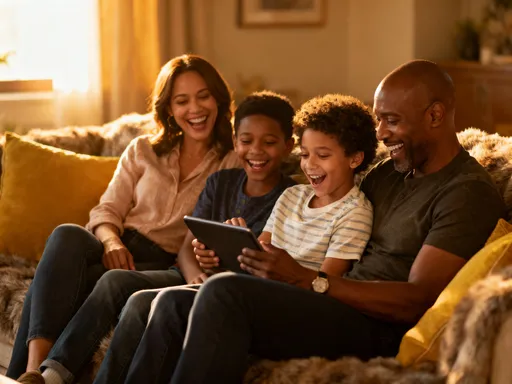
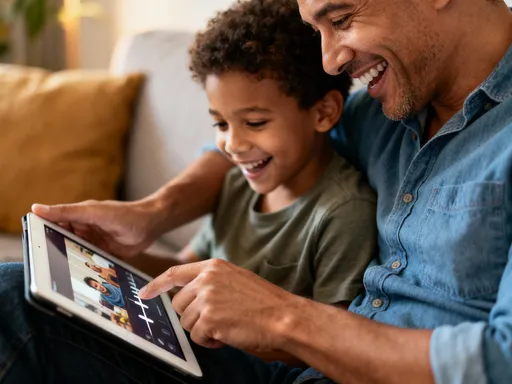
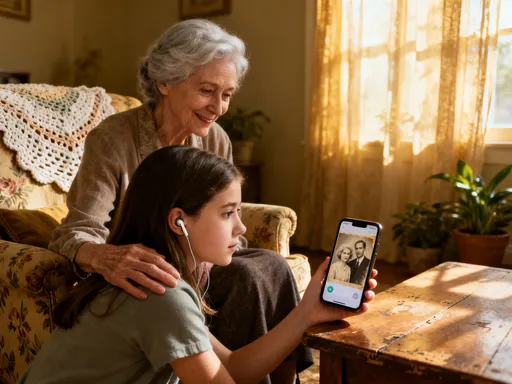
That small moment turned into a weekly ritual. Every Sunday afternoon, we sit side by side on the couch with my tablet and pick one short clip from the week—maybe a walk in the park, a dance party in the living room, or a failed science experiment with baking soda and vinegar. We trim the edges, add a transition (their favorite is the “zoom blur”), choose a soundtrack, and give it a title like “Mission: Park Bench” or “The Great Cookie Collapse.” There’s no pressure to make it “good.” No one’s grading our work. It’s just us, creating something together with no agenda other than to enjoy the process.
What I love most is how this time together feels completely different from other screen-based activities. It’s not passive. It’s not isolating. We’re not each lost in our own digital world. Instead, we’re side by side, making decisions, laughing at our choices, debating whether a dramatic fade-out or a sudden cut works better. It’s collaborative. It’s creative. And because it’s rooted in real moments we’ve lived, it feels meaningful in a way that scrolling through social media never does. The app is just a tool, but what we’re really building is connection—one edited clip at a time.
How Editing Builds Emotional Awareness
One evening, as we were reviewing a clip from a family picnic, my child paused the video and said, “I was mad here.” I looked closer. It was a moment I hadn’t even noticed—a brief frown when their sandwich fell in the grass. “I wanted that one,” they said quietly. I hadn’t realized they were still thinking about it. But because we were watching it together, slowing it down, we could talk about it. Not in a heavy, “let’s have a serious talk” way, but gently, naturally. “Yeah,” I said, “I remember. But then you laughed when the dog tried to eat it.” And we both did. We laughed all over again.
That moment opened something in me. I began to see editing not just as a creative act, but as an emotional one. By revisiting our lives in slow motion, frame by frame, we were giving ourselves space to notice feelings we’d missed in the rush of the day. My child started pointing out things like, “You looked tired here,” or “I was really happy when you said yes to the ice cream.” And I began to see patterns too—when we were most patient, when we snapped at each other, when a small gesture, like a hand on the shoulder, made a big difference.
It’s like the screen became a mirror. Not a perfect one, but a kind one—one that let us see ourselves with a little more compassion. We weren’t just preserving memories; we were understanding them. And that understanding helped us grow. My child started naming their emotions more often, not just during editing, but throughout the day. “I’m frustrated,” they’d say, instead of slamming a door. “I’m proud of this,” they’d announce, holding up a drawing. And I found myself more patient, more aware of how my tone or energy affected them. All of this, sparked by the simple act of watching our lives back—not to judge, but to see.
Saving Time While Making More of It
I’ll admit, I was nervous at first. My days already felt too full—school drop-offs, work emails, laundry, dinner prep. The last thing I wanted was another “project” to add to the list. I imagined editing as something that would take hours, require special skills, and leave me frustrated at 10 p.m. with a blinking cursor and no progress. But the reality has been the opposite. In fact, editing has helped me feel like I have more time, not less.
Here’s how: instead of letting dozens of random clips pile up, I now film with intention. I keep videos short—30 seconds, maybe a minute. I try to get good lighting, steady my hand, and capture just the heart of the moment. That means less footage to sort through later. And when we sit down to edit, we’re not working with an hour of raw material. We’re working with one meaningful clip. Twenty minutes later, we have a polished one-minute story we can watch and share. It’s efficient, yes—but more than that, it’s satisfying.
And because we do it together, it doesn’t feel like a chore. It’s not another item on my to-do list. It’s part of our weekend rhythm, like making pancakes or walking the dog. In fact, it’s become a way to wind down, to reflect, to reconnect after a busy week. I’ve even started using the same mindset in other areas of my life—focusing on what matters, letting go of the rest. Less chaos, more clarity. That’s what this practice has given me. And the best part? The videos we create become touchstones. On tough days, we watch them and remember how good things can feel. On quiet nights, we laugh at our silly soundtracks and remember how much joy we’ve shared.
A Quiet Boost to Daily Confidence
There’s a moment in every video we finish that I love: when we press “save” and watch it from beginning to end, just the two of us. My child always grins and says, “We did it!” Sometimes they add, “We’re really good at this.” And every time, I feel a little swell of pride—not just in the video, but in us. In what we’ve made together. In the way we listen to each other, compromise on music choices, and celebrate small wins.
But what’s surprised me is how that confidence has spread beyond our editing sessions. My child started volunteering ideas at school, trying new activities, even teaching a friend how to use the app. “I know how to make videos,” they said proudly. And I’ve noticed a shift in myself too. I used to hesitate before trying anything new, worried I wouldn’t be “good enough.” Now, I remind myself: I learned this. I can learn other things too. That quiet sense of accomplishment—from mastering a simple tool, from creating something meaningful—has become a kind of anchor.
It’s not about being perfect. It’s about showing up, trying, finishing. And each completed video is proof that we can do things we didn’t think we could. That’s a powerful message—especially for a child growing up in a world that often feels fast and demanding. But it’s powerful for me too, as a parent, as a woman, as someone who sometimes forgets her own strength. This small tech habit has become a reminder: I am capable. We are capable. And that belief? It shows up in everything we do.
Making Technology Feel Human Again
Let’s be honest: technology doesn’t always feel warm. So much of it pulls us away from each other—phones at the dinner table, screens in the bedroom, endless notifications that fracture our attention. I’ve caught myself scrolling while my child talks, or reaching for my phone instead of joining a game. I know I’m not alone. We want to be present, but the digital world makes it hard.
But this—editing videos together—feels different. It’s technology used with purpose, with heart. We’re not consuming content. We’re creating it. We’re not escaping our lives. We’re reflecting on them. And in doing so, we’re actually becoming more present, not less. The tablet isn’t a barrier; it’s a bridge. It’s the thing that brings us closer, that gives us a reason to sit side by side, to talk, to laugh, to remember.
It’s reminded me that technology isn’t the enemy. It’s how we use it that matters. A phone can be a distraction, or it can be a tool for connection. An app can waste hours, or it can help us preserve what matters most. This practice has taught me to be more intentional about my screen time—not just for my child, but for myself. I’m more aware of when tech helps and when it harms. And I’ve started asking myself: does this bring me closer to the people I love? Does it add meaning, or just noise?
A Habit That Sticks Because It Feels Like Love
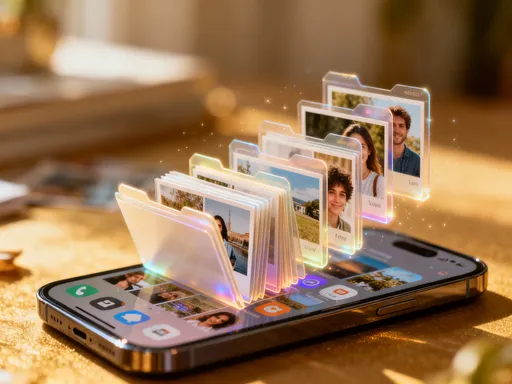
We have a folder now—just on my tablet, but it feels sacred. It’s called “Our Year.” Inside, there are folders for each month, and inside those, our edited videos. We don’t share them online. We don’t post them on social media. They’re just for us. Sometimes, on a lazy Sunday morning, we’ll pull up the tablet and watch a few. We laugh at the silly music choices. We pause to look at our faces, to remember how small my child was in January, how much they’ve grown by June.
This habit has lasted not because it’s efficient, though it is. Not because it’s trendy, though I’ve heard other families are doing similar things. It’s lasted because it feels like love. Because it’s a way of saying: I see you. I remember this moment with you. You matter. And because it’s something we do together, it’s become part of our bond, part of our story.
In a world that never slows down, that’s a rare gift. We don’t need to chase big moments to feel connected. We don’t need expensive experiences or perfect photos. We just need a few minutes, a simple tool, and the willingness to pay attention. Because when we do, we find that the ordinary is extraordinary. That a spilled pancake, a rainy Saturday, a quiet laugh—these are the things that make a life.
So if you have a phone full of unwatched videos, I’ll say this: don’t delete them. Don’t let them gather digital dust. Pick one. Just one. Trim it. Add a song. Name it. Share it with someone you love. You might not create a masterpiece. But you might create something better: a moment of connection, a memory made meaningful, a quiet reminder that you’re not just living life—you’re noticing it. And that, more than anything, is what makes us feel truly close.