It’s Not Just About Parking: How Learning to Use Smart Finders Gave Me Back My Peace of Mind
Finding a parking spot used to be my biggest travel stress—circling blocks, wasting time, and arriving frustrated. But lately, something small has made a big difference: learning how to truly use parking spot finders. It’s not magic, just smart tech I finally took the time to understand. Now I walk into every trip calmer, more in control. This isn’t about gadgets—it’s about how a little tech, used well, can quietly transform your daily life. I didn’t expect a simple app to change how I feel about errands, family outings, or even driving through the city. But it did. And if you’ve ever felt drained by the little things, this might be your moment too.
The Moment I Realized Parking Was Ruining My Trips
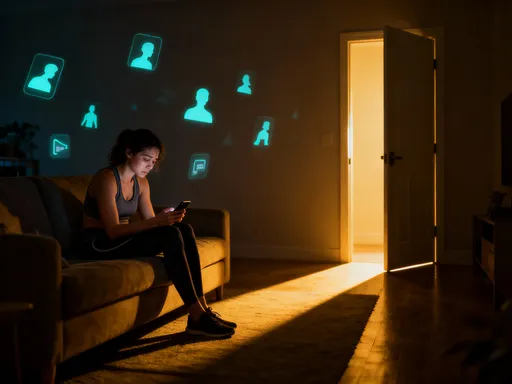
It started with a birthday dinner. My daughter had picked the restaurant, a cozy Italian place downtown, and I promised I’d be there by 7. But at 6:45, I was still circling the block for the third time, my hands tight on the wheel, my heart racing. I could picture her face falling, my husband quietly annoyed, and the table being given away. When I finally found a spot two blocks away and rushed in, breathless and flustered, the moment was already dimmed. The laughter felt forced, the food tasted like guilt. That night, I realized something deeper: parking wasn’t just a chore. It was stealing my joy.
This wasn’t the first time. It happened on school drop-offs when I was late because the usual spot was taken. It happened during weekend shopping trips when I gave up and went home with half my list unfinished. Each time, the frustration built—not just about the parking, but about how powerless I felt. I started dreading anything that involved driving into the city. I’d rather take three buses than deal with the stress. And honestly, that didn’t feel like living. It felt like surviving. The worst part? I didn’t even realize how much it was affecting my mood until my sister said, “You’ve been so tense lately.” That hit me. I wasn’t just stressed about parking—I was letting it shape my entire day.
Looking back, I see how small inconveniences can grow into big emotional burdens. It’s not just about time. It’s about energy. Every time I circled the block, I burned mental fuel I could’ve used for better things—like being present with my family, enjoying a book, or just taking a deep breath. I wasn’t just losing minutes. I was losing peace. And once I saw that, I knew I had to find a better way.
Discovering Parking Spot Finders—And Why I Ignored Them at First
I first heard about parking spot finders from a coworker who swore by an app. She said she hadn’t circled the block in months. My first thought? “Another app? Really?” I already had too many notifications—grocery lists, calendar alerts, school updates. The last thing I needed was one more ping. I pictured some complicated tool only useful in big cities or for people with luxury cars. I assumed it was expensive, glitchy, or just another tech trend that wouldn’t last. So I brushed it off.
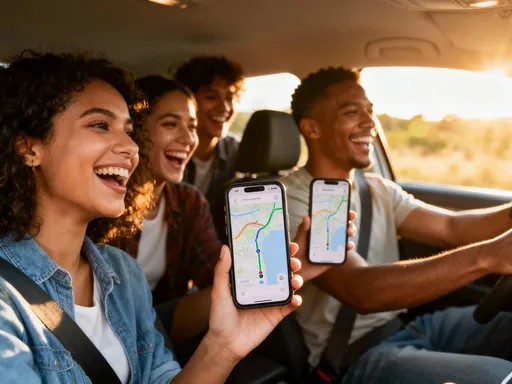
Then, last spring, I visited my friend Lisa in Chicago. She lives in the city and parks on the street. I expected the usual dance—driving around, checking side streets, maybe walking ten minutes. But we pulled up, she tapped her phone, and said, “Got one—two minutes away.” I watched, stunned, as she guided us to a spot right in front of her building. No circling. No stress. Just… ease. I asked her what she used. She showed me the app—simple, free, connected to city sensors. It showed real-time availability on a color-coded map. Green meant spots open. Red meant full. That was it.
What changed my mind wasn’t the tech. It was the calm in her voice. She wasn’t bragging. She was just… relaxed. And I realized that’s what I wanted. Not the app itself, but the peace that came with it. I finally understood: this wasn’t about being a tech expert. It was about giving myself a break. These tools weren’t for people who love gadgets. They were for people who value their time, their energy, and their emotional well-being. And that, I realized, was me.
Learning the System, Not Just the App
Downloading the app was easy. Actually using it? That took time. At first, I treated it like a toy—opening it when I remembered, ignoring it when I was in a rush. I missed alerts. I misunderstood the map. Once, I drove past a green zone because I didn’t realize it meant spots were available. I almost gave up. But then I shifted my mindset: this wasn’t just an app. It was a system. And like any new habit—meal planning, morning walks, even learning to use a slow cooker—it needed practice.
I started small. I turned on location services and allowed notifications. I learned how the color codes worked: green for open spots, yellow for limited, red for full. I set up alerts for my most frequent destinations—my daughter’s school, the grocery store, my gym. I linked the app to my phone’s navigation so it could guide me directly to open zones. It took a few tries. I had glitches. One Saturday, the app said a spot was open, but when I arrived, a delivery van was parked there. I groaned. But instead of quitting, I adjusted. I learned to check the update time on the map—some systems refresh every five minutes, so timing matters.
Then came my first real win. I was heading to a doctor’s appointment, and the app showed a spot just half a block from the office. I arrived, and it was there—empty, legal, perfect. I sat in my car for a moment, stunned. It took me less than two minutes. That small victory did something unexpected: it built confidence. I wasn’t just saving time. I was proving to myself that I could adapt, learn, and make things easier. That feeling? It was bigger than parking. It was about control. And once I tasted it, I wanted more.
How This Changed More Than Just My Drives
The first thing I noticed was my mood. I wasn’t arriving anywhere angry anymore. No more slamming the car door, no more snapping at my kids because I was stressed. Instead, I walked in calm, present, and ready to connect. At my daughter’s school play, I got there early, took a seat, and actually enjoyed the performance—instead of rushing in late and missing the first scene. At family dinners, I wasn’t distracted by the drive. I was part of the conversation.
But the real surprise was the time. Not just the minutes saved from not circling, but what I did with them. Five minutes here, three there—it added up. I used it to call my mom, who lives across the country. I listened to a chapter of an audiobook. Sometimes, I just sat in the car and breathed, listening to the rain on the roof. Those moments weren’t wasted. They were gifts. And the more I got them, the more I protected them.
There was also a subtle shift in how I saw myself. I used to think I was bad with tech—too busy, too overwhelmed, too “not a digital person.” But learning this tool changed that. I wasn’t suddenly a genius, but I was capable. I could figure things out. I could use technology to serve me, not stress me. That mindset spilled into other areas. I started using a grocery delivery app more. I set up automatic bill payments. I even tried a meditation app. One small win had opened the door to more. And the best part? I wasn’t doing it to keep up. I was doing it to feel better.
Teaching My Family—And Why It Brought Us Closer
I didn’t keep this to myself. I showed my sister first. She’s a single mom with two kids and barely any free time. When I told her about the app, she said, “That sounds too good to be true.” So I walked her through it—step by step, like I’d learned. We sat at her kitchen table, her phone in hand, and set up her favorite locations. At first, she missed an alert because her phone was on silent. We laughed. Then she forgot to check the map before leaving. More laughter. But by the third try, she found a spot near her son’s soccer game—right on time.
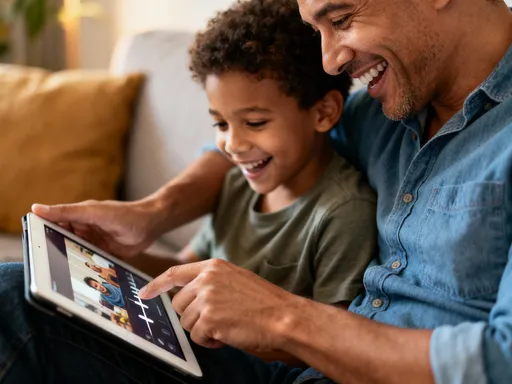
Then I taught my dad. He’s in his seventies and proud of his “old-school” ways. He said, “I’ve parked fine for 50 years.” But when he visited me last winter and saw how quickly I found a spot in the snow, he asked, “How’d you do that?” I showed him. It took patience—explaining notifications, showing him how to read the map—but he got it. Now, when he visits, he texts me, “Found a green zone—your system works!” That little message warms my heart every time.
What I didn’t expect was how this tiny habit would become a shared language. My sister and I now text each other parking tips. My dad asks for help with other apps. We’re not just sharing technology. We’re sharing care. We’re saying, “I want this to be easier for you.” And in a world that often pulls families apart, that connection matters. It’s not about the app. It’s about the love behind the lesson.
Beyond Convenience: A New Way of Moving Through the World
Here’s what I’ve realized: parking finders aren’t just about parking. They’re part of a bigger idea—using technology to reduce friction, not add noise. We often think of tech as distracting—endless scrolling, buzzing phones, digital overload. But it doesn’t have to be that way. When used with intention, tech can be quiet, helpful, almost invisible. It can handle the small stuff so we can focus on what matters.
Learning this tool changed my relationship with digital helpers. I used to see them as chores—things I “should” use but never did. Now I see them as allies. I started using a smart calendar that reminds me of appointments and suggests travel time based on traffic. I set up a grocery list app that syncs with my family. I even use a simple water-tracking app to remind me to drink more during the day. None of these are flashy. But together, they’ve made my life smoother.
The biggest shift? My mindset. I no longer see technology as something that controls me. I see it as something I can control. I’m not smarter because I know more apps. I’m smarter because I waste less energy on things that don’t matter. I have more room—for thought, for feeling, for living. And that’s the real gift. It’s not about efficiency. It’s about freedom.
Your Turn: Starting Small, Staying Consistent
If you’re reading this and thinking, “I could never figure that out,” I get it. I felt the same way. But you don’t have to master everything at once. Start small. Pick one app—just one. Maybe it’s a parking finder, a grocery list, or a simple reminder tool. Download it. Set it up with one location or one habit. Pair it with something you already do—like turning on your GPS when you start the car or checking your phone after school pickup.
Be patient with the glitches. Your phone might not notify you. The map might be outdated. That’s okay. Tech isn’t perfect. But neither are we. The goal isn’t flawless use. It’s progress. Celebrate the small wins. Found a spot on the first try? That’s a victory. Got a reminder and actually used it? Another win. These moments build confidence, one tap at a time.
And remember: this isn’t about becoming a tech expert. It’s about becoming a calmer, more centered version of yourself. It’s about giving yourself the gift of ease. You’ve spent years taking care of everyone else—your kids, your parents, your home. Isn’t it time you gave yourself a break? Let a little tool handle a little stress. You don’t have to do it all. You just have to start.
Because sometimes, the smallest change carries the biggest relief. That quiet moment when you find a spot without stress. When you arrive on time and at peace. When you realize you’re not fighting life—you’re flowing with it. That’s what I’ve found. And it started with one simple decision: to try. So go ahead. Download the app. Tap the screen. Take that first step. Your calmer, clearer day is waiting—and it’s closer than you think.